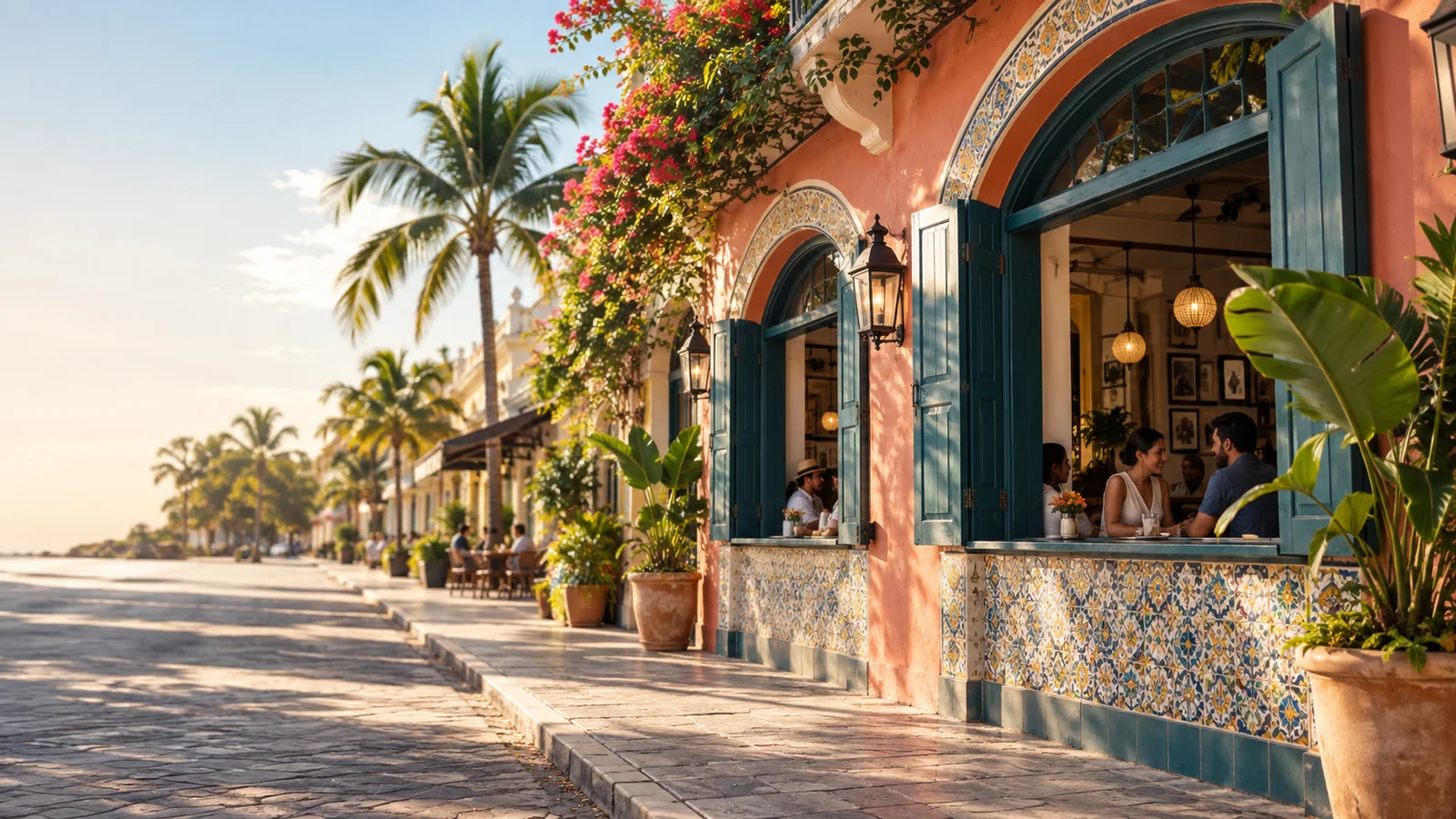
Little Havana is centered on a living cultural and commercial corridor, with restaurants, bakeries, shops, galleries, music, and family-owned businesses that carry history as well as daily trade. The right digital experience should respect that character. It can help people discover and support a business without sanding away the personality that made it worth visiting.
A Little Havana site should explain the experience in the business's own voice
A visitor may be looking for a meal, a product, an event, a guided experience, or a place with a real story. The website should make the details easy to find while giving the business room to sound like itself. Useful photos, hours, ordering information, accessibility details, and a short account of what makes the place special can carry more weight than generic tourism language.
The most important customer actions should make sense in both languages
If a business serves customers in Spanish and English, the order flow, reservation confirmation, event details, and support messages matter more than a translated headline. Review the full path from discovery to purchase. People should not have to switch languages halfway through a task or wonder whether a policy applies to them. That kind of clarity supports both visitors and the neighborhood's regular customers.
If we were building something in Little Havana...
We would build a culture-and-commerce booking tool for small businesses along a walkable route. A visitor could reserve a food experience, save a music or art event, pre-order from a participating shop, and receive a short, respectful guide to the area. Each business would control its own offer and availability. The product would aim to bring people into local establishments, not turn the neighborhood into a generic ticketing feed.
The owner should be able to update the information that changes every week
A good local platform cannot depend on someone outside the neighborhood to update hours, menus, special events, or sold-out times. Give participating businesses simple tools and clear editorial boundaries. The result is more accurate for customers and more fair to owners. A Little Havana digital project should make it easier to share current information without forcing every business into the same voice.
Test the idea with a focused route and a small group of real businesses
A broad cultural marketplace is hard to keep current. Start with a short walk, a handful of businesses, and one kind of customer need, such as an afternoon food-and-music plan. Measure whether the tool leads to bookings, orders, and return visits. That real-world test will reveal how much technology the idea actually needs.
How can a digital experience help someone discover a local business while preserving the voice and independence that make the neighborhood meaningful?
Miami Web Designs can help Little Havana businesses pair strong local storytelling with practical bilingual booking, ordering, and event tools.