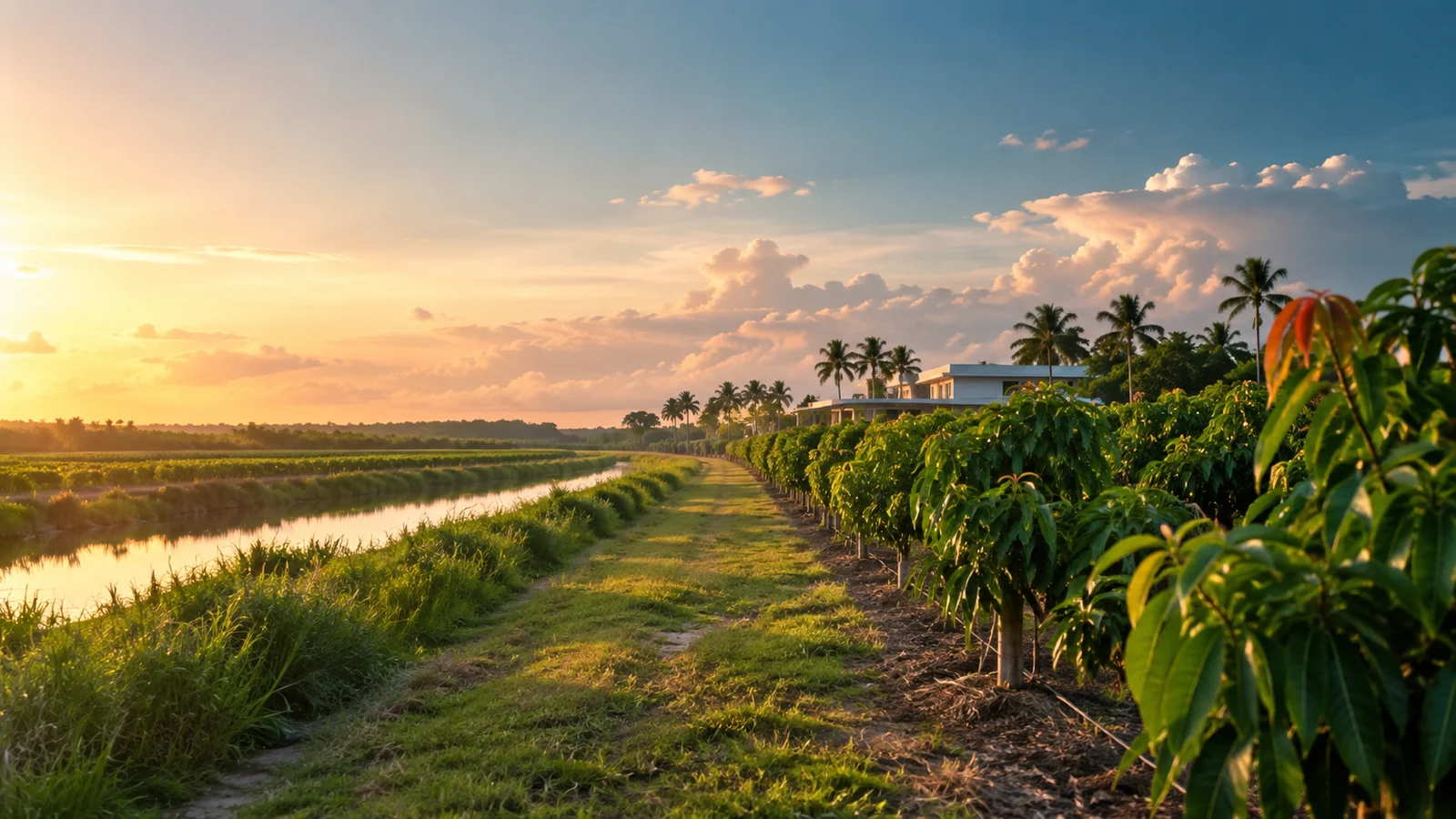
Homestead sits close to South Dade agriculture, outdoor destinations, growing neighborhoods, and businesses that often serve both local households and regional buyers. That mix makes simple operational tools especially valuable. A good website can introduce the business, but a better ordering, scheduling, or inventory workflow may be what lets a small team grow without losing track of the day.
Homestead businesses need digital tools that respect changing seasons
A farm, nursery, tour operator, field-service company, or local retailer may not have the same availability every week. If the website shows a static offer while the actual inventory, season, or schedule changes, customers lose confidence quickly. A content system should make it easy for the team to update what is available, where they will be, and how orders are handled. The goal is not to publish more content. It is to keep the useful facts current.
Business buyers need a simple way to ask what can be supplied
Restaurants, distributors, landscapers, and other business buyers may need information that is different from a public shopper. They may ask about quantities, lead times, delivery areas, or recurring orders. A separate wholesale inquiry path can collect that context without making a consumer checkout process more complicated. It also gives the owner a cleaner picture of demand when supply and staffing are changing through the season.
If we were building something in Homestead...
We would build a farm-to-business ordering platform for growers and local buyers. A grower could post current availability, estimated harvest windows, minimum quantities, and delivery options. A restaurant or market buyer could request a standing order, ask a question about a product, and receive a confirmation without a chain of calls. The first release would focus on a small group of repeat buyers, because reliable ordering is more important than building a public marketplace on day one.
A small delivery board can be more useful than a large app
For a business making local deliveries or managing recurring service visits, the team needs a shared view of what is packed, scheduled, delayed, and complete. A lightweight internal dashboard can do that without turning drivers into software administrators. It should show the next action at a glance and work well on a phone. If staff still need to print it out to trust it, the design needs to be simpler.
Study the week when the current process feels most strained
The best time to define a Homestead custom development project is not on a quiet day. Look at a busy harvest week, a holiday rush, or the period when appointments stack up. What gets written down twice? What information is only in one person's head? What customer questions interrupt the work? Those are the jobs worth organizing first. A project with that kind of starting point tends to earn its keep quickly.
During the busiest week of the year, what information would the team most wish customers and staff could see in one shared place?
Miami Web Designs can help a Homestead business turn seasonal, local, and repeat-work realities into a website or workflow that stays useful when the pace changes.