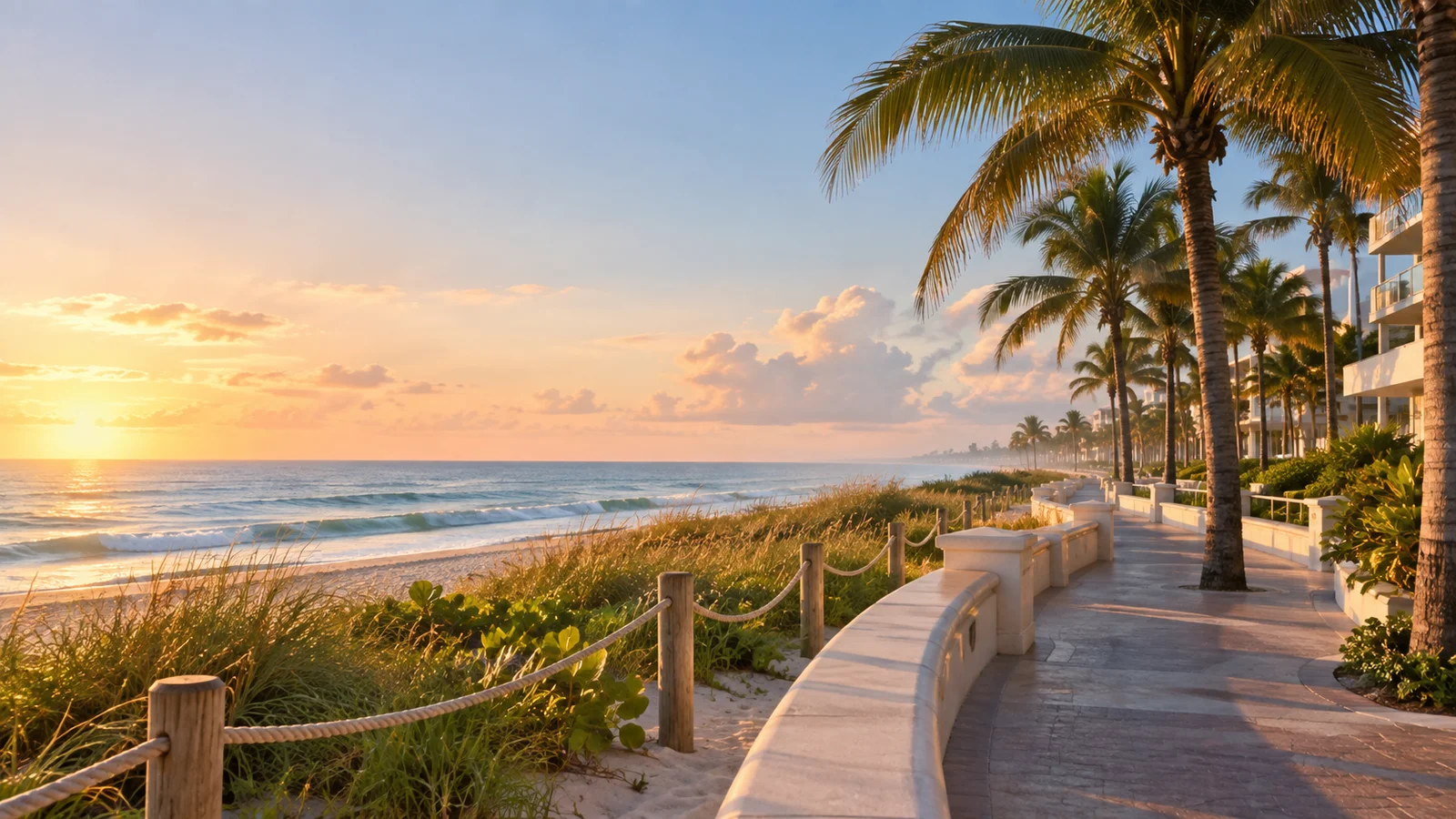
Hollywood brings together a beachfront Broadwalk, restaurants, hotels, arts venues, and a downtown that rewards wandering. That mix creates a different digital problem from a pure destination business: visitors and locals may be looking for something to do right now, while businesses still need a way to turn a casual discovery into a booking, order, or return visit.
Hollywood businesses need to turn browsing into a real plan
A striking image can earn a click, but it does not tell someone whether a restaurant has a table, whether an event is happening tonight, or whether a rental is available near the beach. Good web design turns that interest into a usable next step. It may be a reservation button, an event calendar, a map, a same-day offer, or a quick call route. The page should respect the fact that people may be walking, traveling, or making plans with a group.
Events and availability should not live in scattered posts
Businesses with live music, seasonal offers, classes, tours, or group bookings can lose sales when their information is spread across social posts and old event pages. A simple content system can give staff a reliable place to update what is actually happening, while the website presents it by date, category, or audience. That is more useful than asking visitors to guess whether a social post from last month still applies.
If we were building something in Hollywood...
We would test a visitor itinerary app that links beachfront businesses, downtown stops, and bookable experiences into short plans. A family could choose a few hours near the Broadwalk, a food-focused evening, or an arts-and-live-music route. Participating businesses would manage availability, special offers, and stop details through a small dashboard. The product would not need to become a giant travel marketplace. It would earn its place by helping a visitor move from curiosity to a realistic plan.
Mobile design is part of the service when people are already out
On a phone, the priority is practical: location, hours, menu or pricing, accessibility details, booking, and a direct way to ask a question. Large blocks of marketing copy can wait. A Hollywood business should also check the experience in bright daylight, on a weak connection, and with a user who has never heard the brand name. If a person cannot work out the next action in a few seconds, the page may look good while still missing the customer moment.
Review the path from a map listing to a confirmed action
Open the business listing, follow the website link, and try to complete the most common task as a new customer. Count the taps, look for missing details, and notice where confidence drops. That short audit usually produces a much better project brief than a request for a new website. It shows whether the issue is content, navigation, booking software, event management, or a basic lack of current information.
When someone discovers the business while making plans in Hollywood, can they complete the next step without leaving to search for answers somewhere else?
Miami Web Designs can help combine the visual appeal of a destination brand with the practical booking, event, and inquiry paths that make a site useful in the moment.